Urban Greening
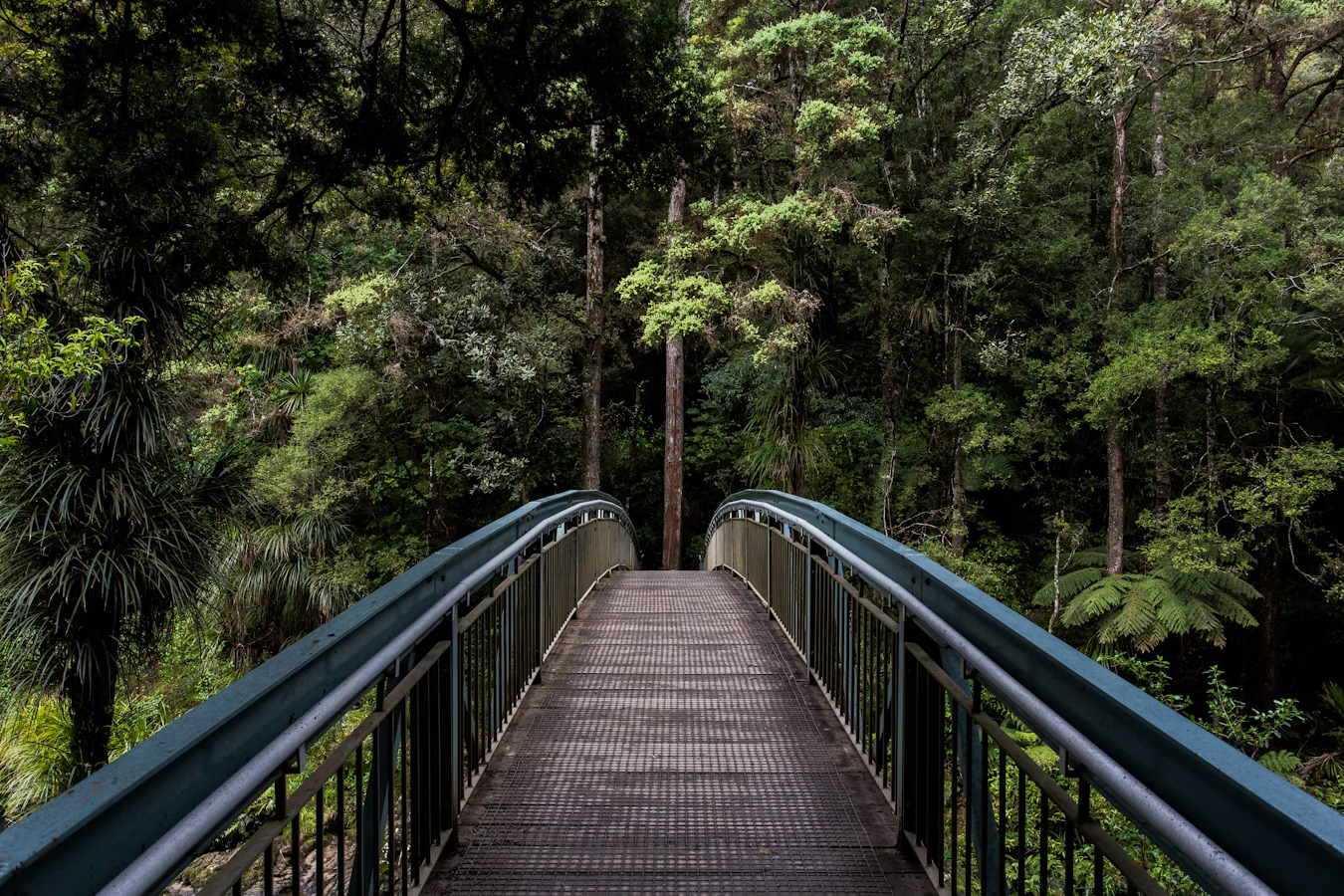
Urban greening means adding more plants and green spaces like parks, gardens, green rooftops, and street trees in cities and towns. It’s one of the easiest and most effective ways to fight climate change where most people live. Plants help clean the air by absorbing carbon dioxide (CO₂) and releasing oxygen. Trees also provide shade, which cools down city streets and reduces the need for air conditioning saving energy and cutting pollution. Green spaces also help soak up rainwater, preventing flooding, and making cities more resistant to extreme weather. For young people, urban greening creates cleaner, more relaxing places to hang out, play, and learn. It’s not just good for the planet it’s good for our health and happiness too!
Reafforestation
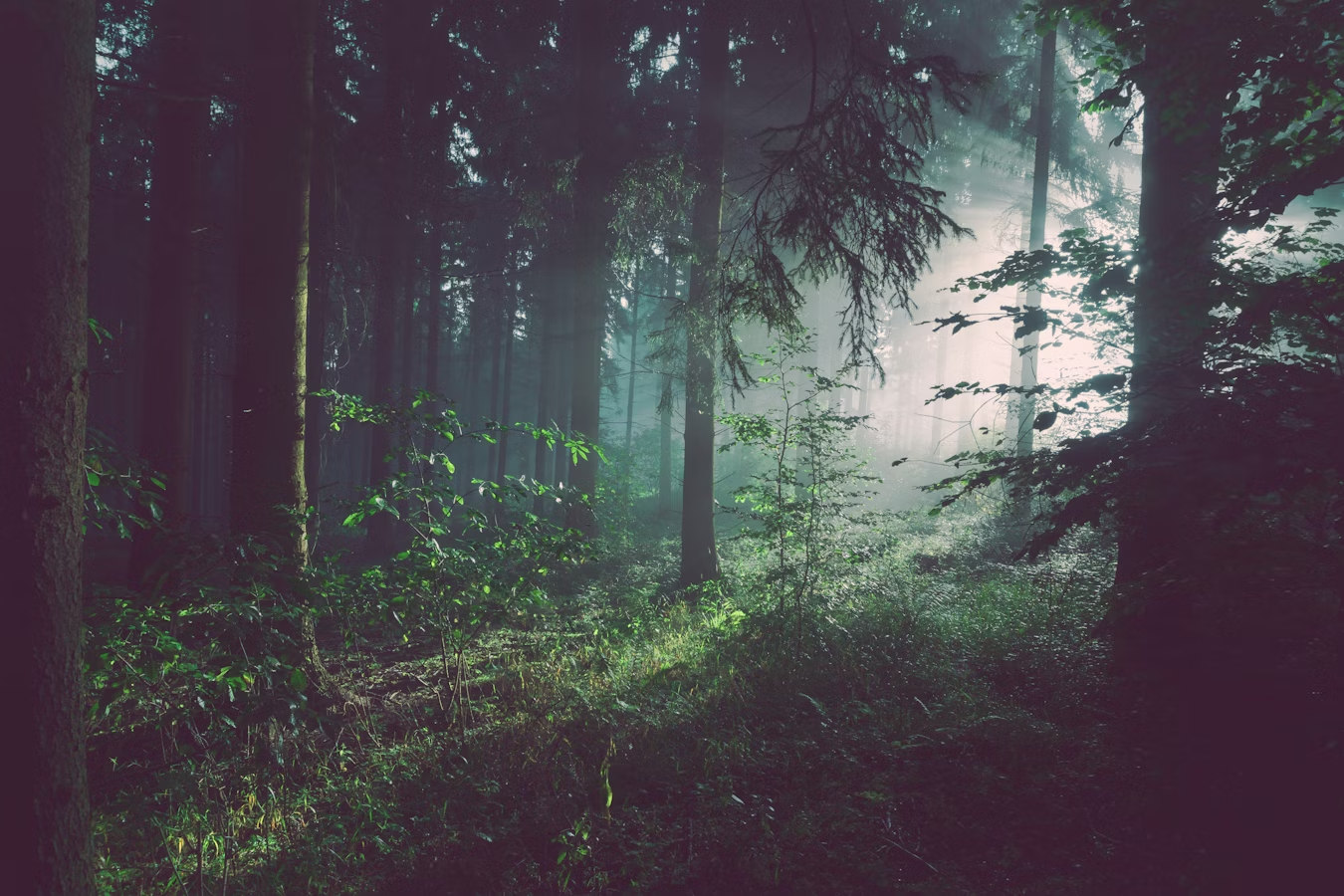
Reafforestation means planting trees in areas where forests have been cut down or destroyed. Forests are super important in the fight against climate change because trees act like natural air filters. They take in carbon dioxide, a major greenhouse gas, and store it in their trunks, branches, and roots. By replanting trees, we help remove harmful gases from the air and bring back lost forests that support wildlife. Reafforestation also helps stop soil erosion and protects water sources, which are important for farming and clean drinking water. This is especially important in places where deforestation has caused major damage to the environment. For teens, supporting reafforestation can be as simple as joining tree-planting projects or spreading the message on social media. Every tree planted brings us one step closer to a cooler, cleaner planet.
Sustainale Landsacaping
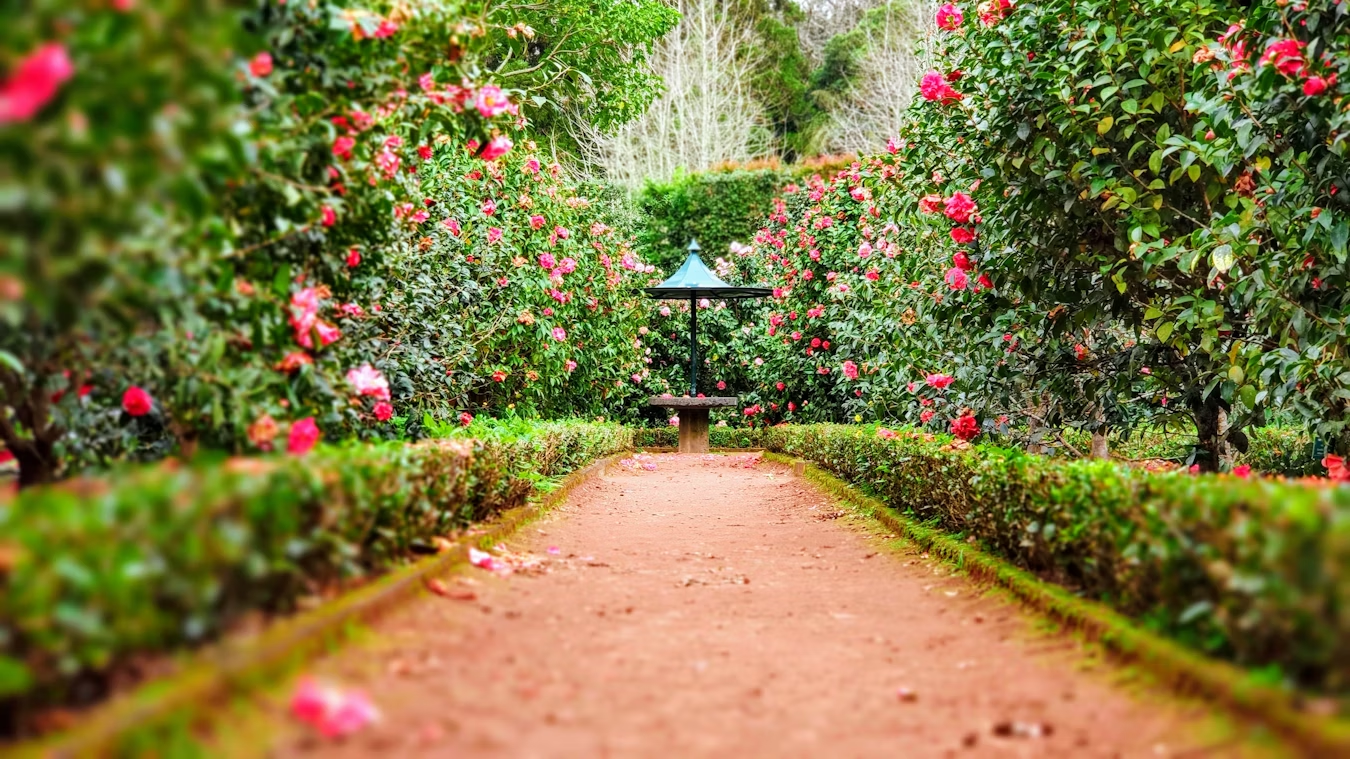
Sustainable landscaping means designing and caring for gardens, parks, and green spaces in ways that help the environment.
Instead of using a lot of water, pesticides, and fertilizers, it uses natural solutions—like choosing native plants that
don’t need much care and adding compost to keep soil healthy. These eco-friendly gardens use less water, reduce pollution,
and support local wildlife like bees, butterflies, and birds. They also help absorb carbon dioxide and clean the air, just like trees do.
Sustainable landscaping is great for homes, schools, and public spaces. It teaches young people how to take care of nature while making outdoor spaces more beautiful and useful.
Teens can get involved by starting school gardens, helping community projects, or even creating small green spaces at home.
It’s a smart way to be kind to the planet while enjoying nature every day.