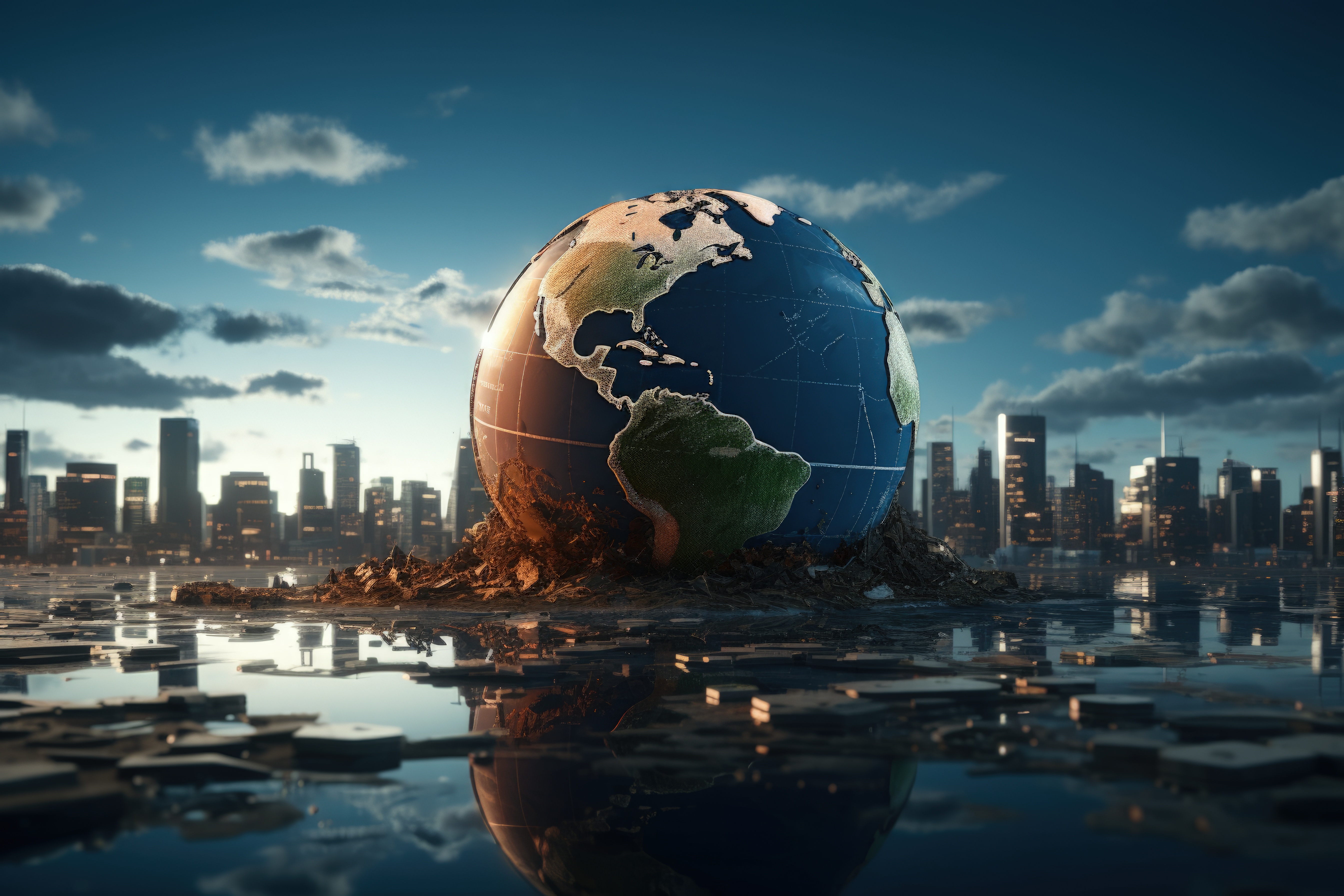
Learn More About Climate
Change

Understand Climate Change

Climate refers to the long-term patterns of temperature, humidity, wind, rainfall, and other atmospheric conditions in a particular region over extended periods typically 30 years or more. It differs from weather, which describes short-term conditions. Climate helps determine the types of plants, animals, and human activities that can thrive in a region. Earth’s climate varies naturally across different parts of the world, from tropical rainforests to polar ice caps. However, in recent decades, human activities have begun to significantly alter the planet’s climate, leading to what we now call climate change a global challenge that affects ecosystems, economies, and communities worldwide.

Some Causes Of Climate Change

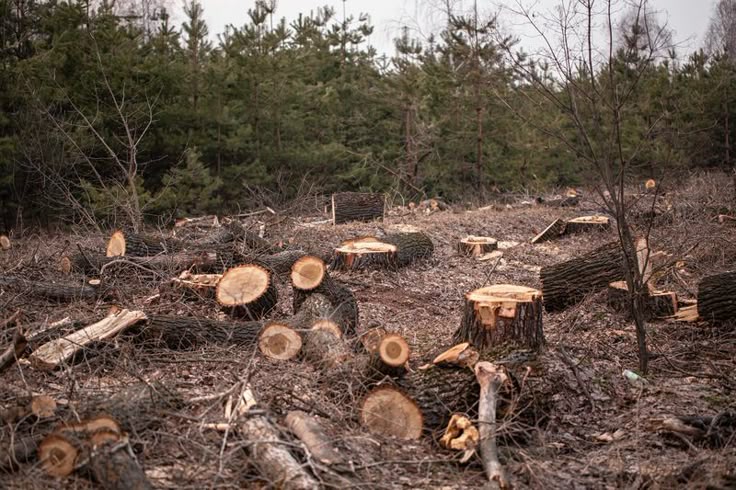
Deforestation

This means cutting down too many trees. Trees help clean the air by taking in carbon dioxide (a gas that causes global warming). When we cut them down, that gas stays in the air and makes the Earth hotter.

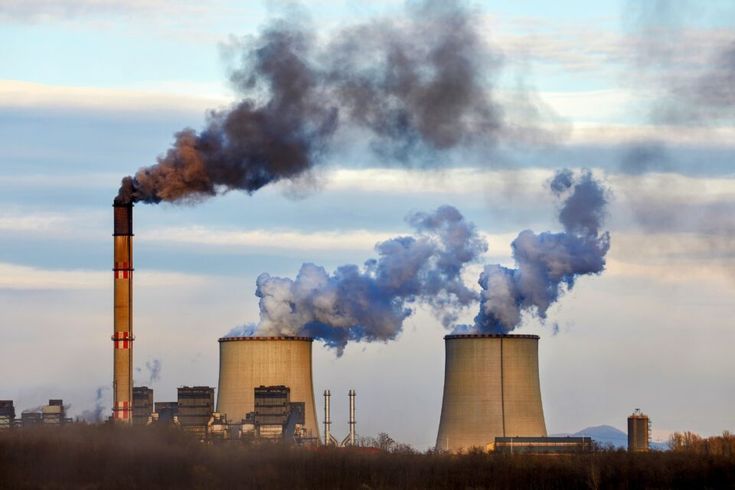
Burning Fossil Fuels

We burn fuels like coal, oil, and gas to power cars, planes, homes, and factories. This creates a lot of pollution and releases gases that trap heat in the atmosphere.

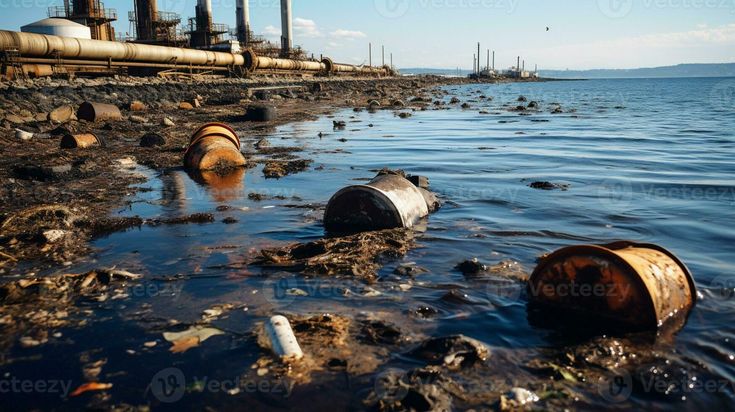
Industrial Waste

Factories and waste dumps also release dirty gases into the air. Things like plastic waste, smoke from factories, and landfill sites all add to the problem.

Some Effects Of Climate Change

In 2025, climate change is causing global temperatures to increase, with many months exceeding the 1.5°C threshold above pre-industrial levels.  Specifically, January was the warmest January on record, with an average ERA5 surface air temperature of 13.23°C, which is 0.79°C above the 1991-2020 average.  February 2025 also saw global-average surface air temperatures more than 1.5°C above pre-industrial levels for the 19th month in a 20-month period, according to the  Copernicus Climate Change. 

The Environment

Climate change alters ecosystems, causing habitat loss, shifting species distributions, and increasing the risk of extinction for many plants and animals.

Human Health

Rising temperatures and extreme weather events increase the spread of diseases, worsen air quality, and contribute to heat-related illnesses and food insecurity.

Economy

Climate-related disasters damage infrastructure, reduce agricultural yields, and increase costs for governments and businesses, affecting overall economic stability.

Downloadable resources

IPCC Climate Change 2022 Report

The latest assessment from the Intergovernmental Panel on Climate Change detailing the current state of knowledge about climate change.

PDF • 3.2MB Download

EPA Climate Change Indicators

Comprehensive report tracking key indicators of climate change in the United States and globally.

PDF • 5.4MB Download

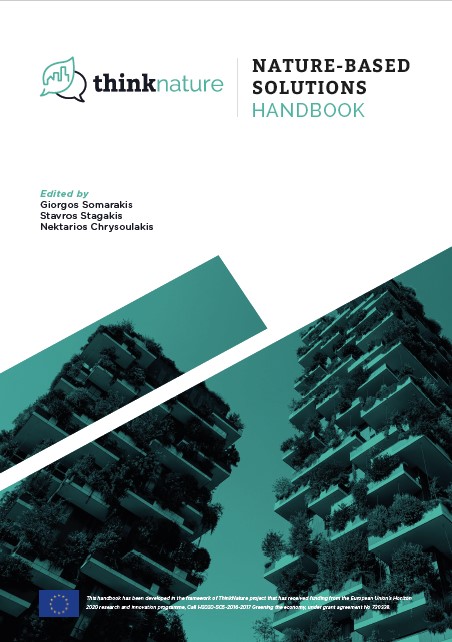
Nature-Based Solutions Handbook

Practical guide to implementing nature-based climate solutions from The Nature Conservancy.

PDF • 2.1MB Download